About
Grown, not manufactured.
Symbia is an independent biofabrication group that grows leather from a symbiotic culture of bacteria and yeast and recycled kombucha. This is where the material came from, what it is actually like, and everything that has been made out of it so far.
Origin
It started as a question about materials
Whether the artificial materials around us could be replaced by something grown rather than manufactured.
“My first inception of the idea arrived in September 2023 after reminiscing on my summer in New York City: one of my teachers at Jakarta Intercultural School had persuaded me to take a summer course on nanotechnology at Columbia University, which prompted me to explore the potential of natural materials replacing artificial ones.”Ignacio Rayden Yap, Founder and Head Manufacturer
Symbia works with seasoned artisans and young Gen Z creators alike: anyone who hopes to develop eco-friendly products but lacks the resources or training to start.
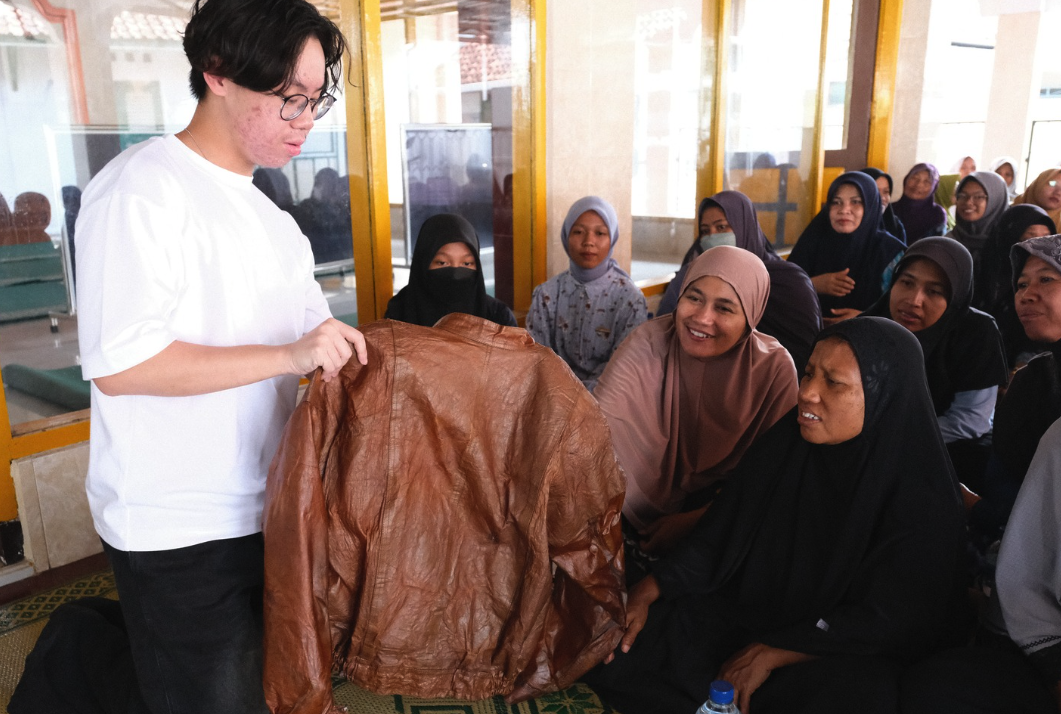
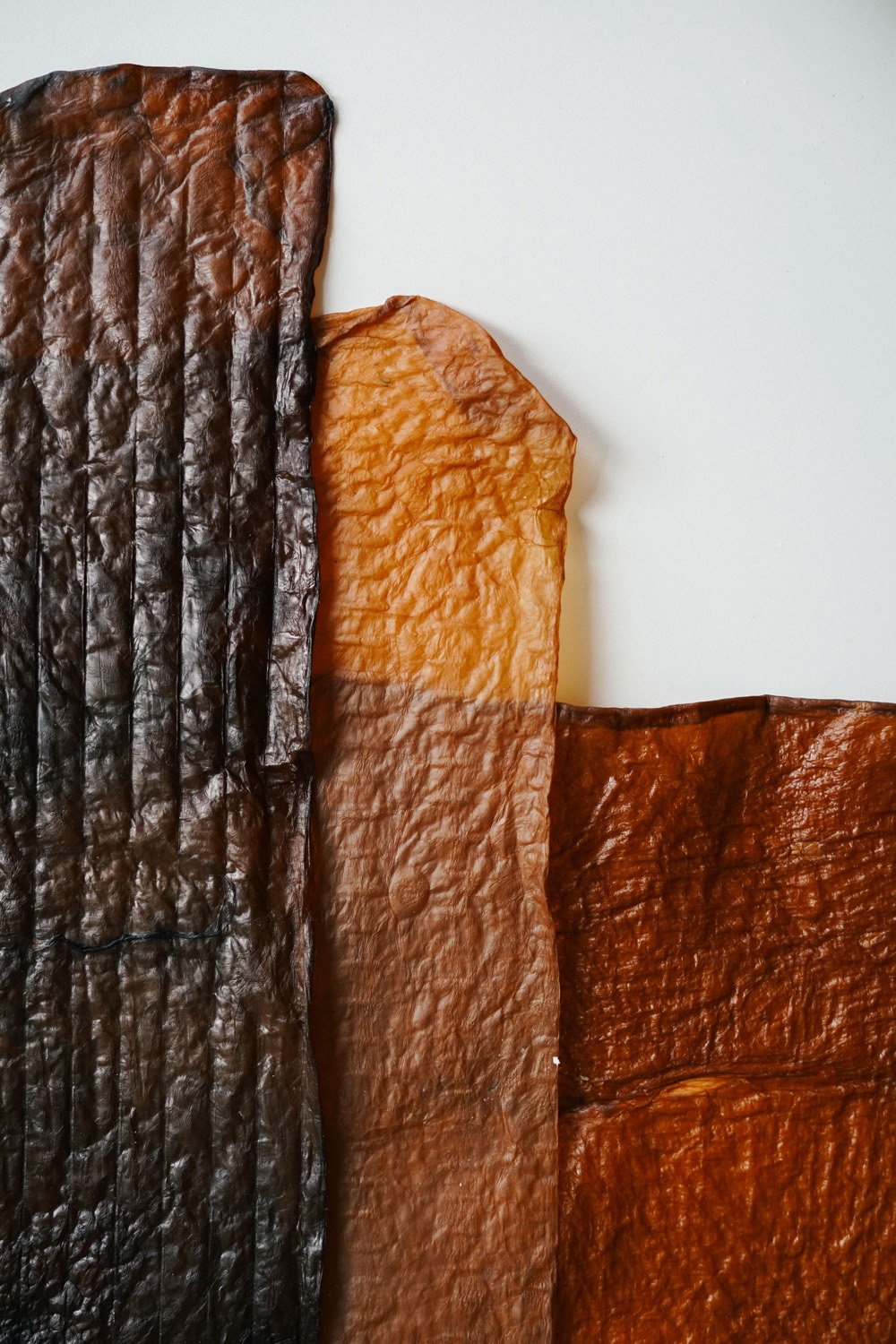
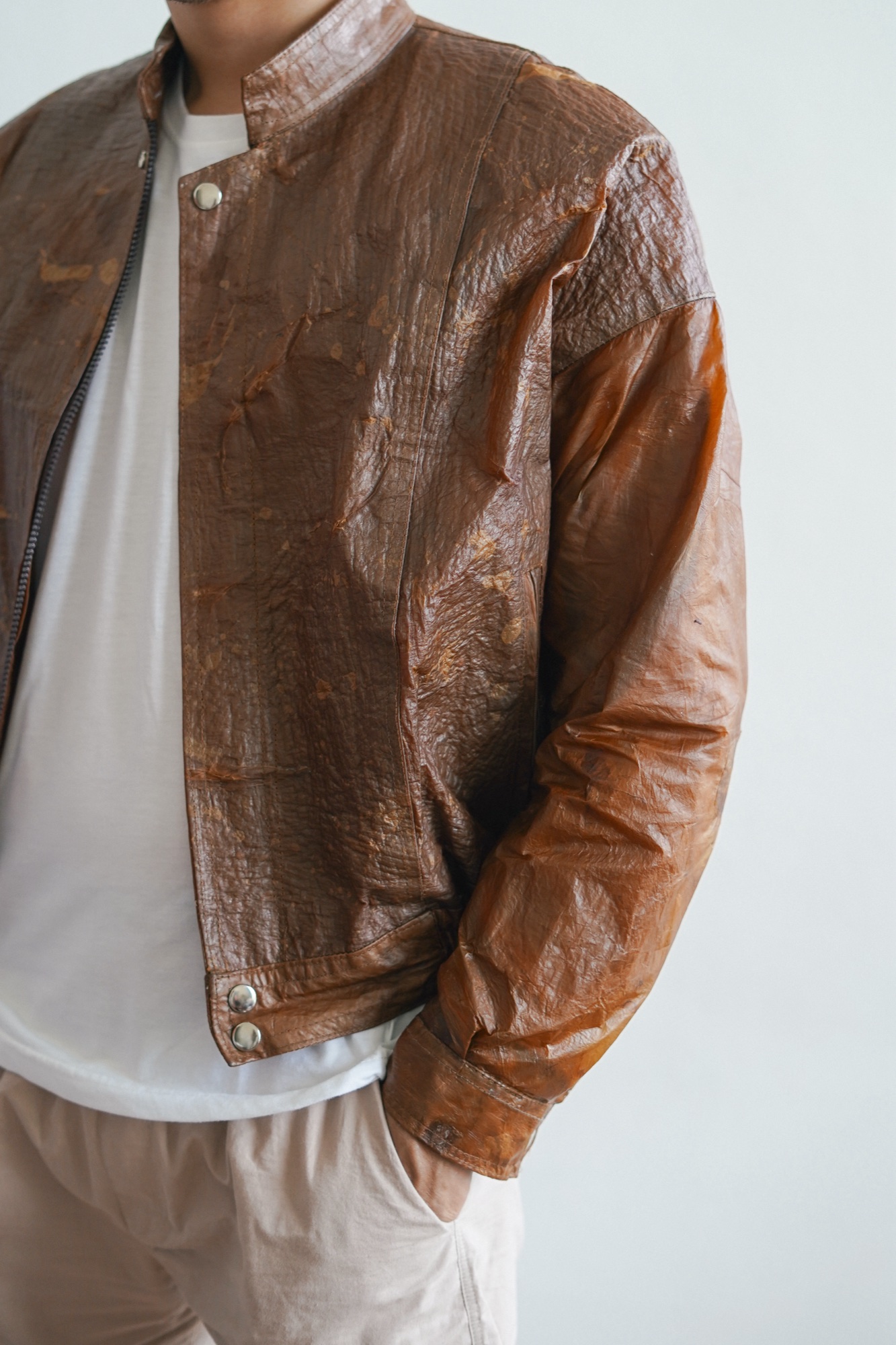
A finished jacket going round a workshop, and the range one batch can produce. The jacket is usually the moment people stop asking whether the material is real.
The material
Kombucha Bioleather
- Grown from
- SCOBY and recycled kombucha
- Tanning
- None
- Colour
- Pale amber to near black
- Edges
- Translucent, irregular
- Thickness
- Set by fermentation time
- Two sheets alike
- No
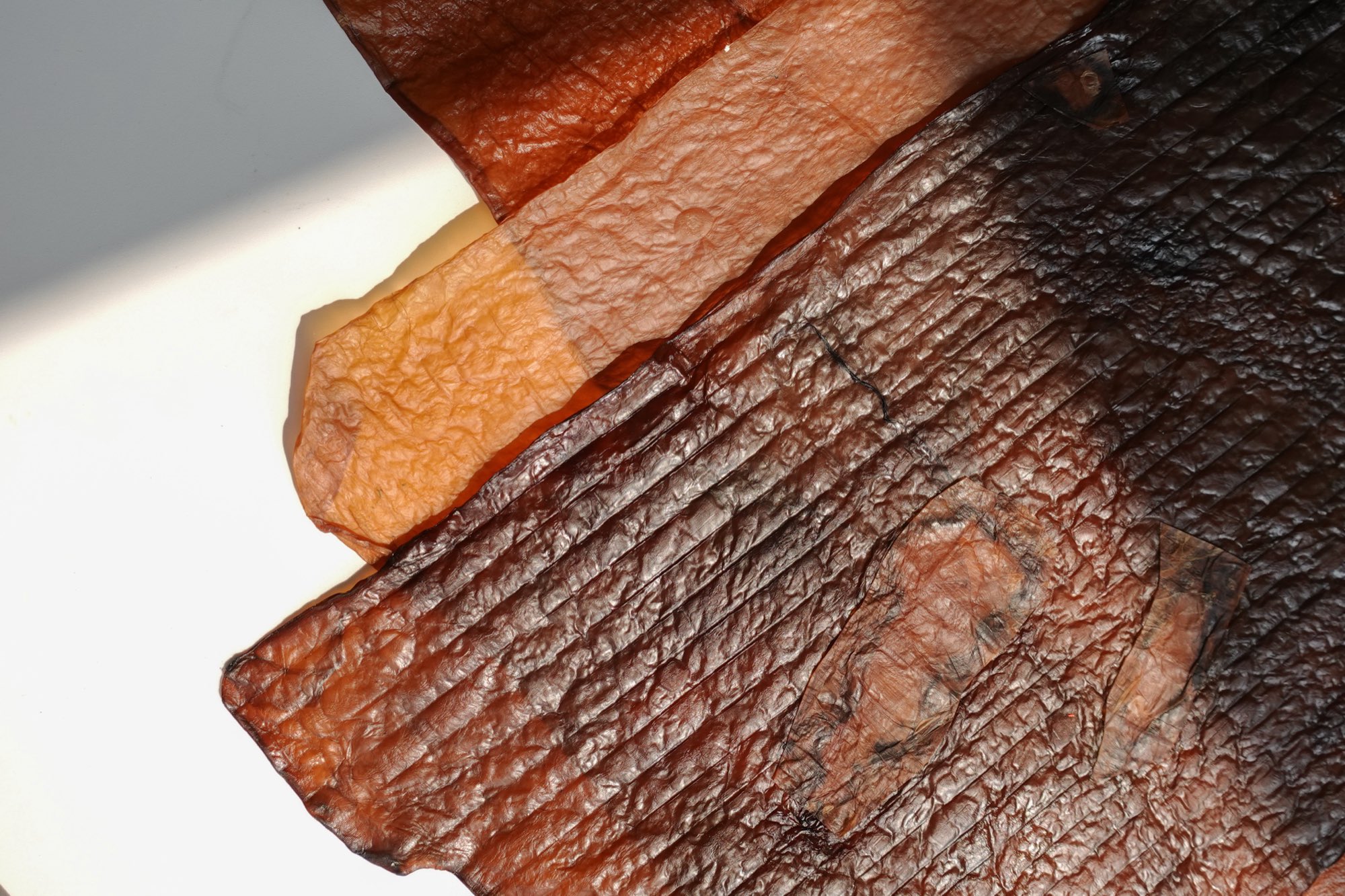
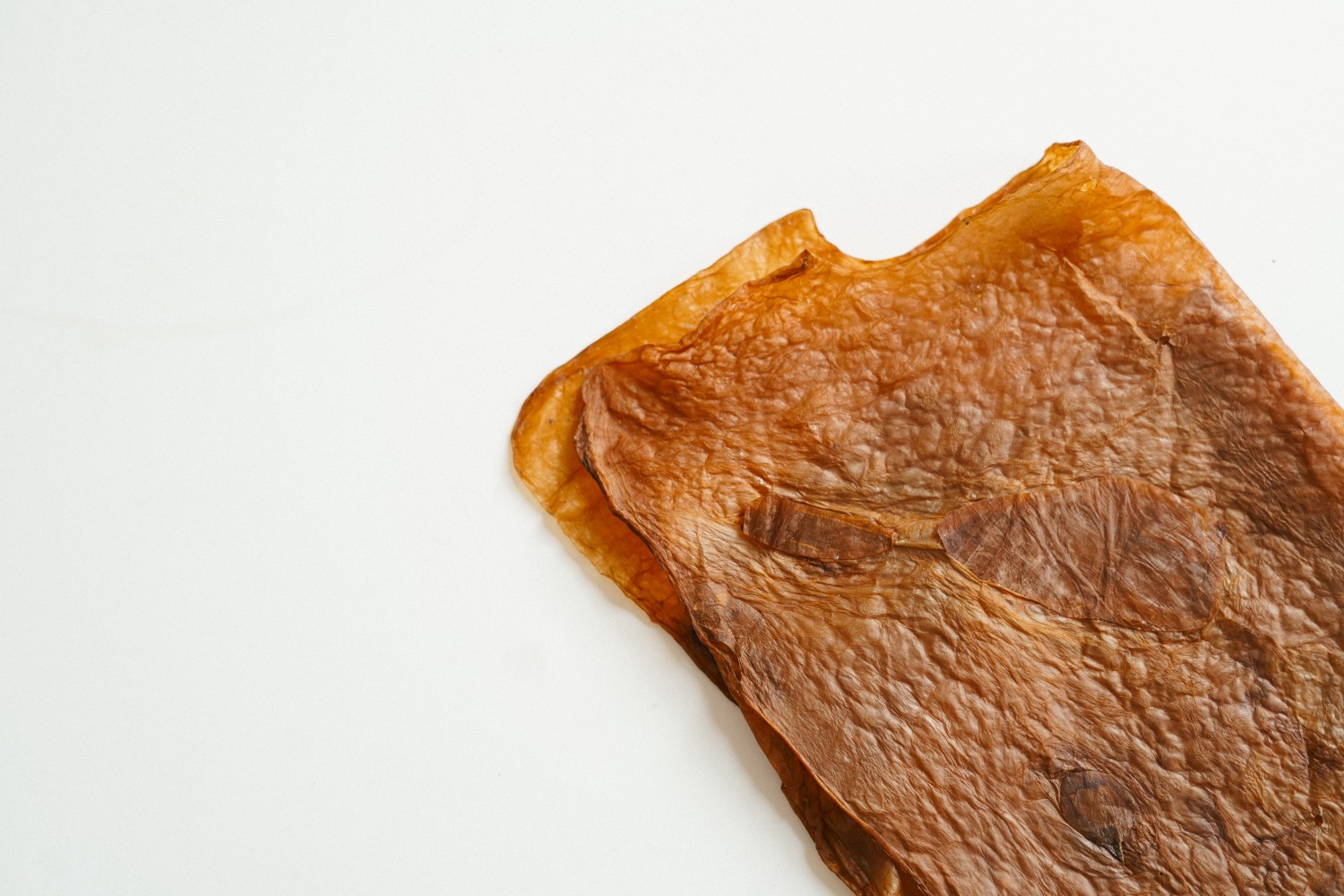
Bacteria and yeast ferment recycled kombucha and grow cellulose into a sheet. Nothing is tanned. The colour runs from pale amber to almost black, the edges are translucent and irregular, and the surface keeps the grain it grew with, so no two sheets are the same.
It folds and drapes rather than holding a shape, and it is light in the hand for its size.
Thickness is set by how long a sheet is left to ferment, and the two faces of one sheet can differ in texture. We say so plainly because it is the part of working with a grown material that a designer needs to plan around.
The cultivation process itself is set out on the research page.
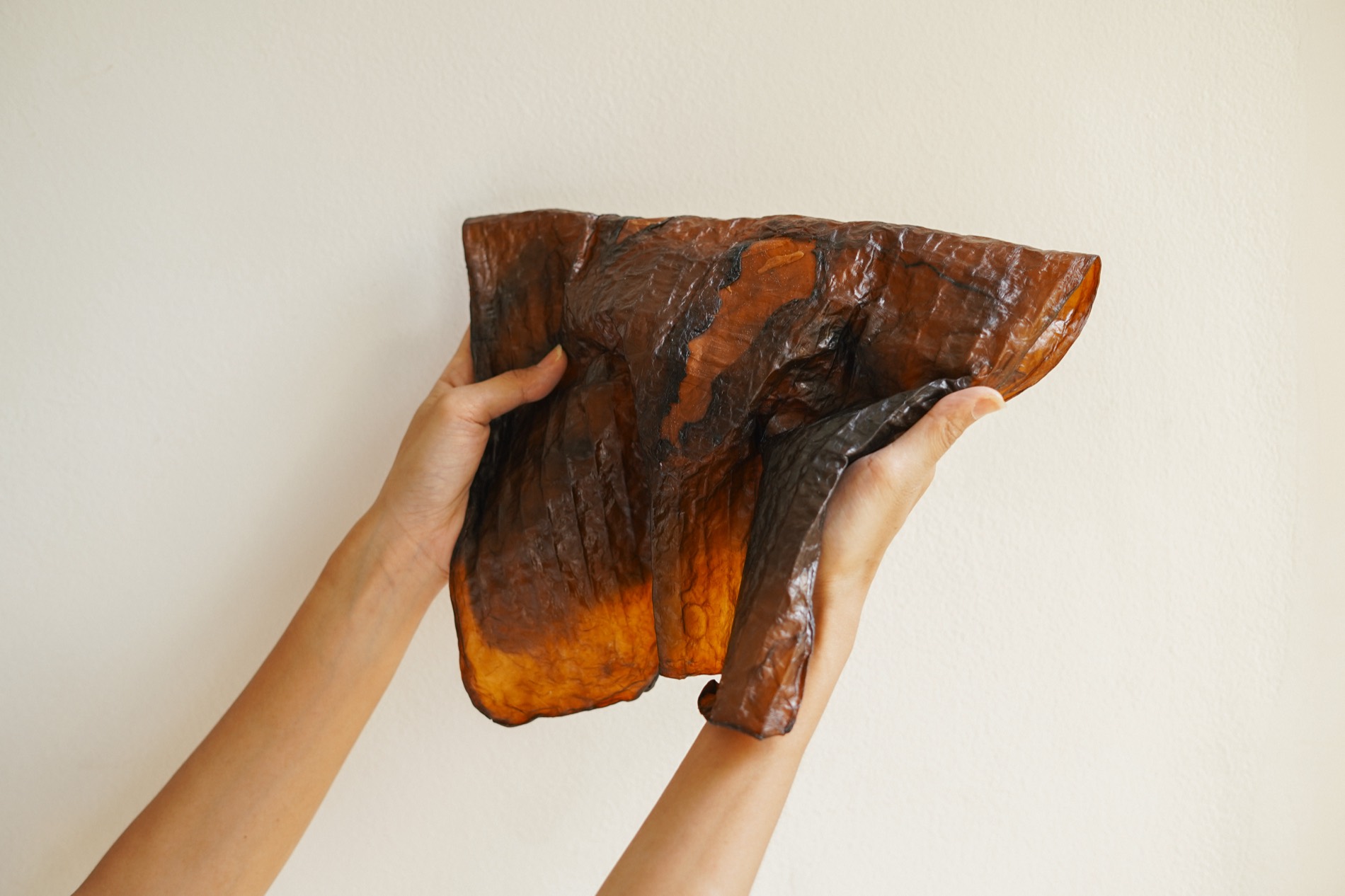
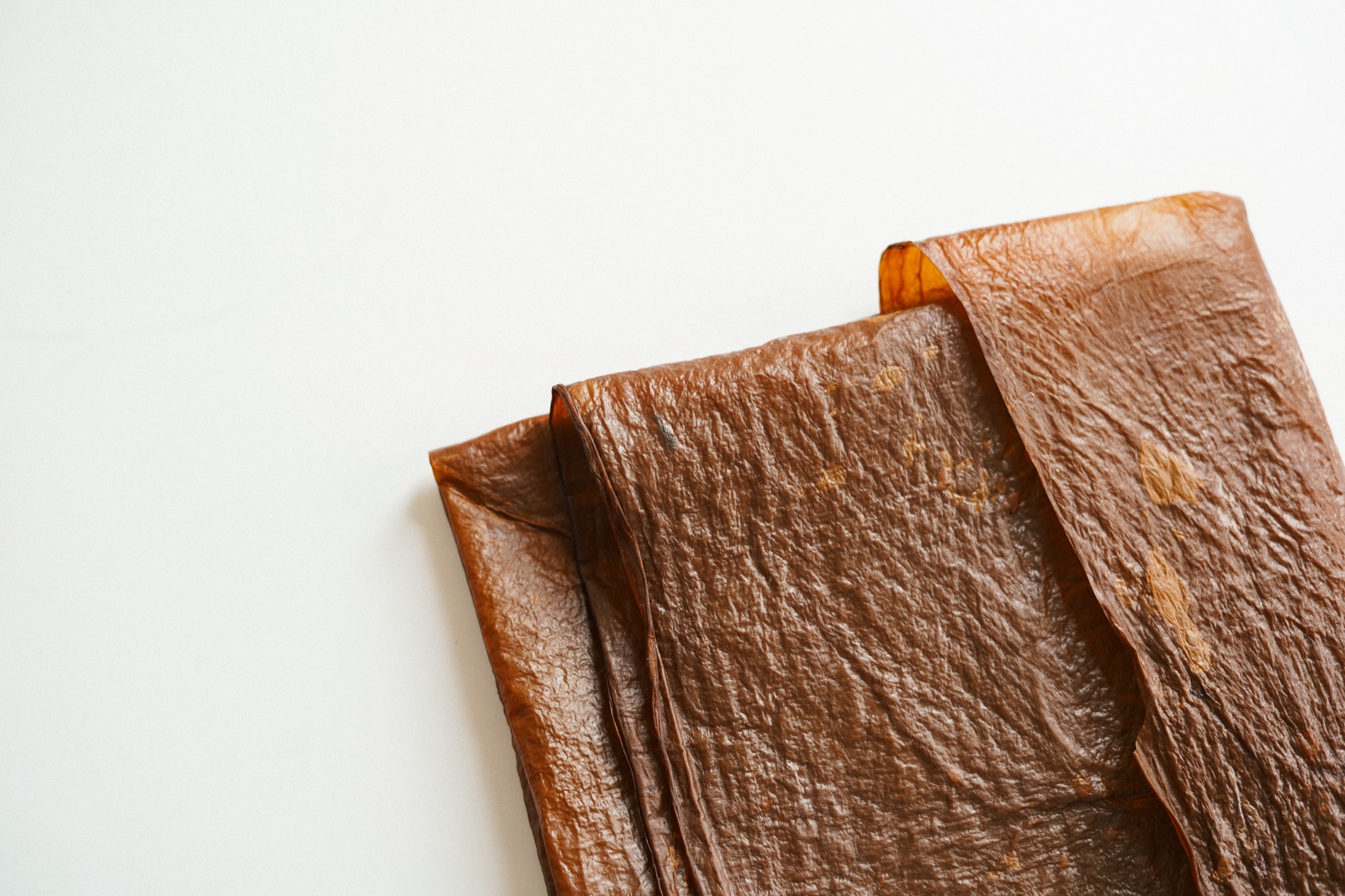
One sheet at full size, and finished sheets stacked. A sheet weighs little enough that the stack on the right is most of a jacket.
How we got here
Two years, from a summer course to a ministry stage
Symbia is young enough that the whole of it fits on one page. Every date below is one we can point at: a photograph, an exhibition listing, or an article someone else wrote.
September 2023
Jakarta and New York
A question about materials
A teacher at Jakarta Intercultural School persuades Rayden to take a summer course on nanotechnology at Columbia. It introduces him to microbial leather, and to the idea that the artificial materials around us might be grown instead. The fermentation route it points at is a fraction as toxic as chrome tanning.
April 2024
Jakarta
The first batch
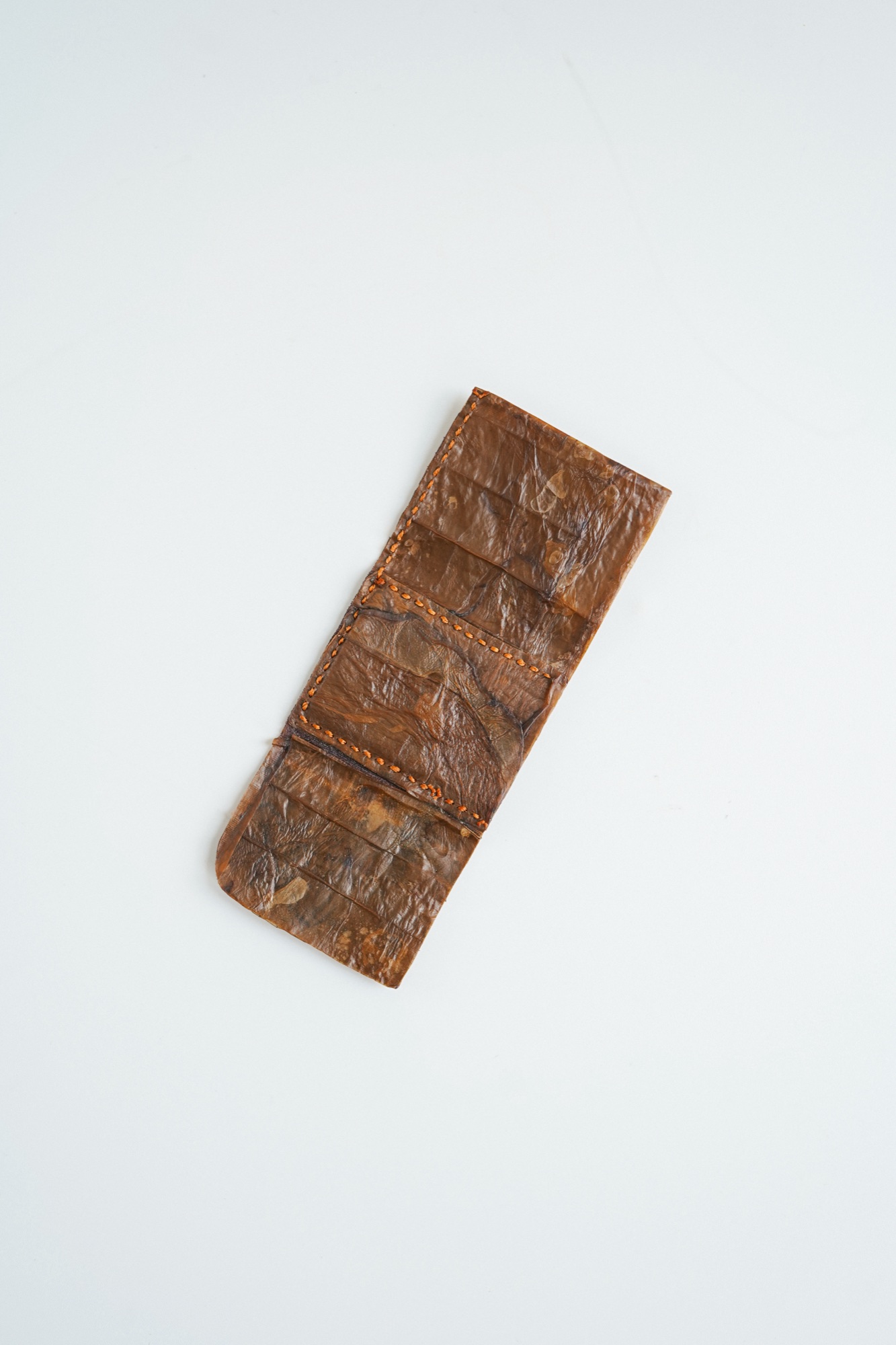
A wallet, a pouch and a document holder, made from sheets grown at home. Proof that the material survives being cut, sewn and carried, which is the first thing anyone asks of something grown rather than tanned.
May 2024
Bali
The 10th World Water Forum
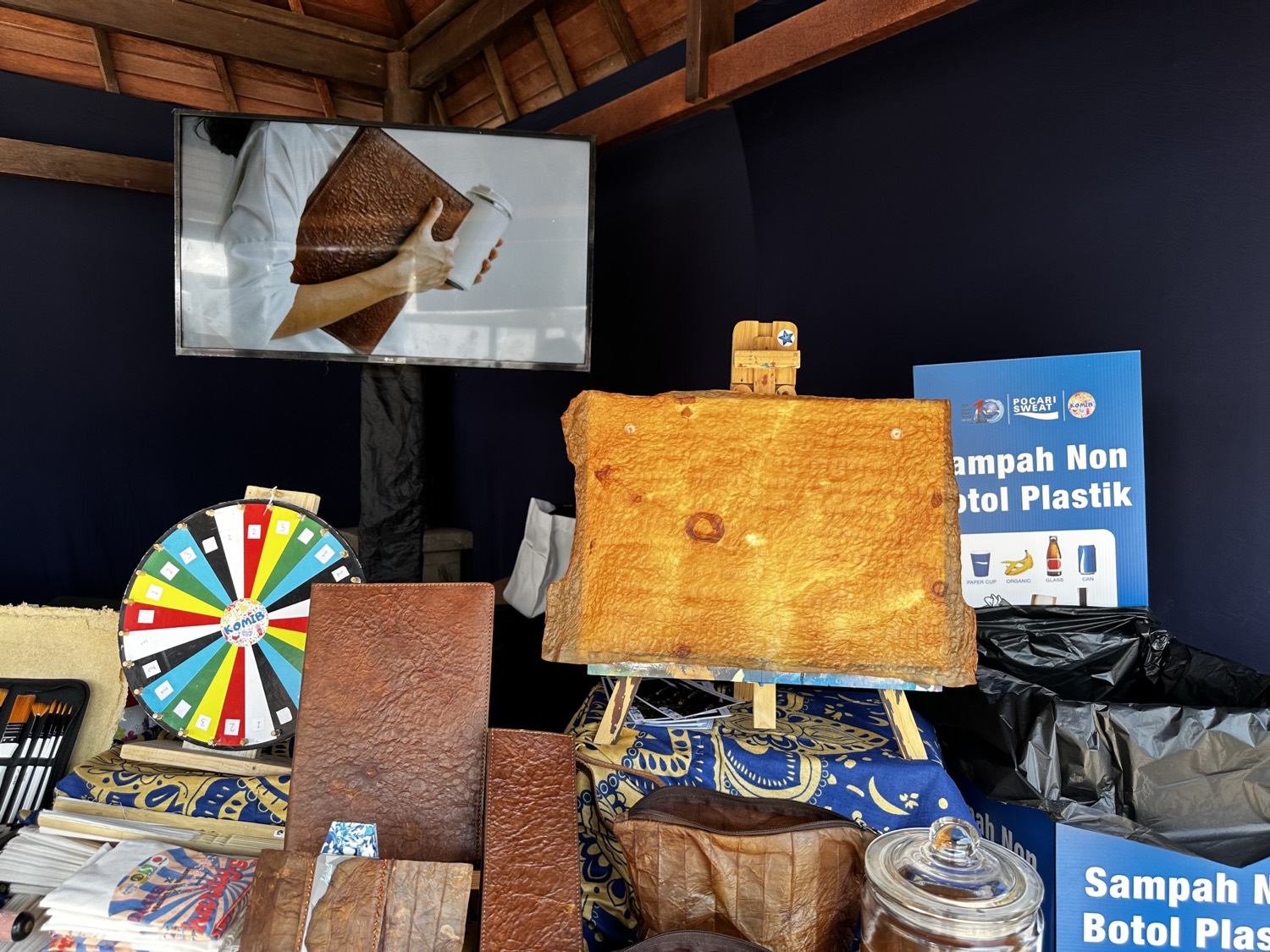
Symbia exhibits the material publicly for the first time, alongside the products made from it. It is the first time the sheets are handled by people outside the workshop.
May 2024
Bali
Into the hands of the Ministry
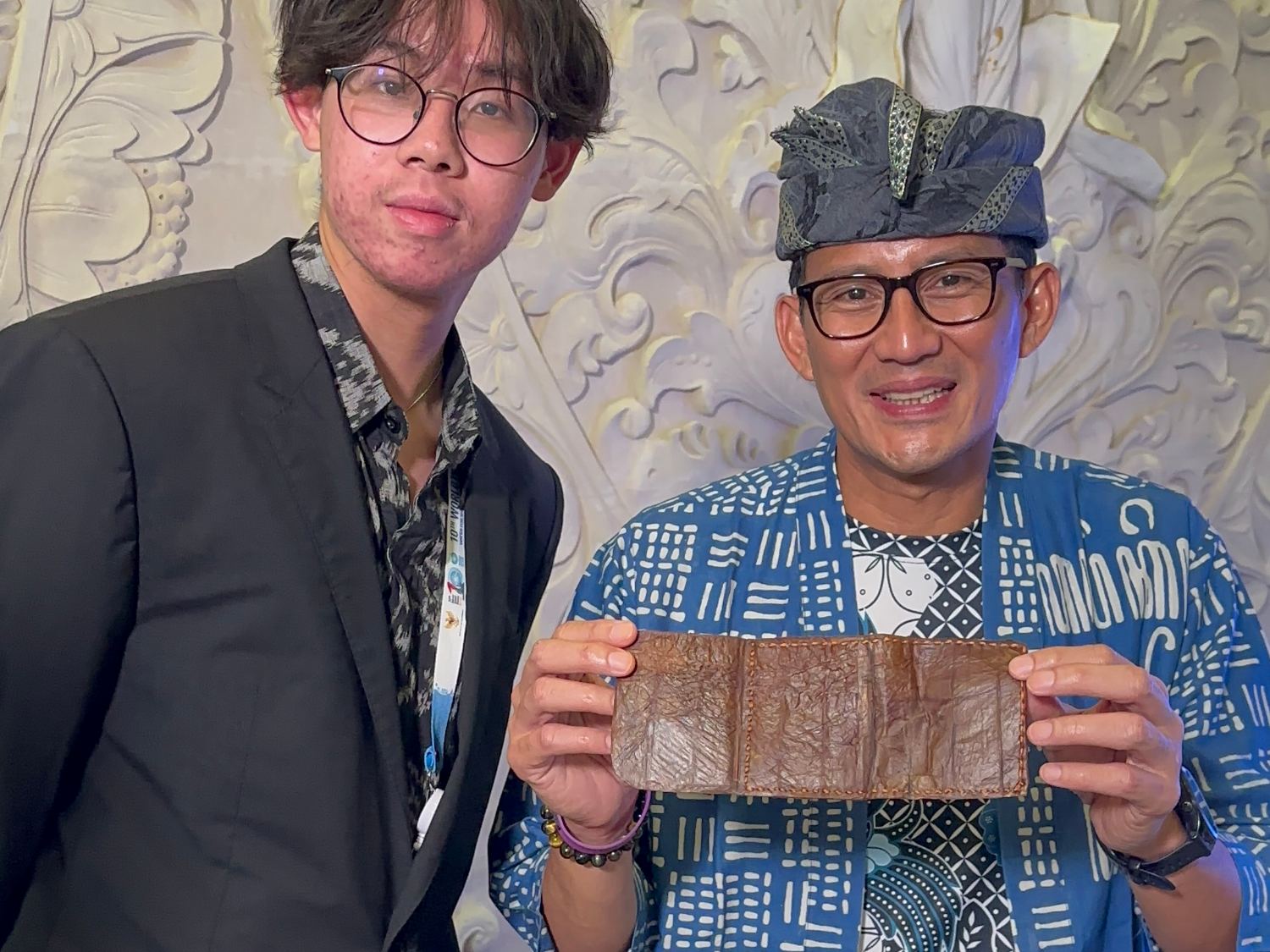
Pieces are gifted to Indonesia's Ministry of Tourism and Creative Economy. The photograph was taken on the forum floor on 20 May, two days after the exhibit opened.
2024
Palo Alto and Jakarta
Stanford, and a first collaboration
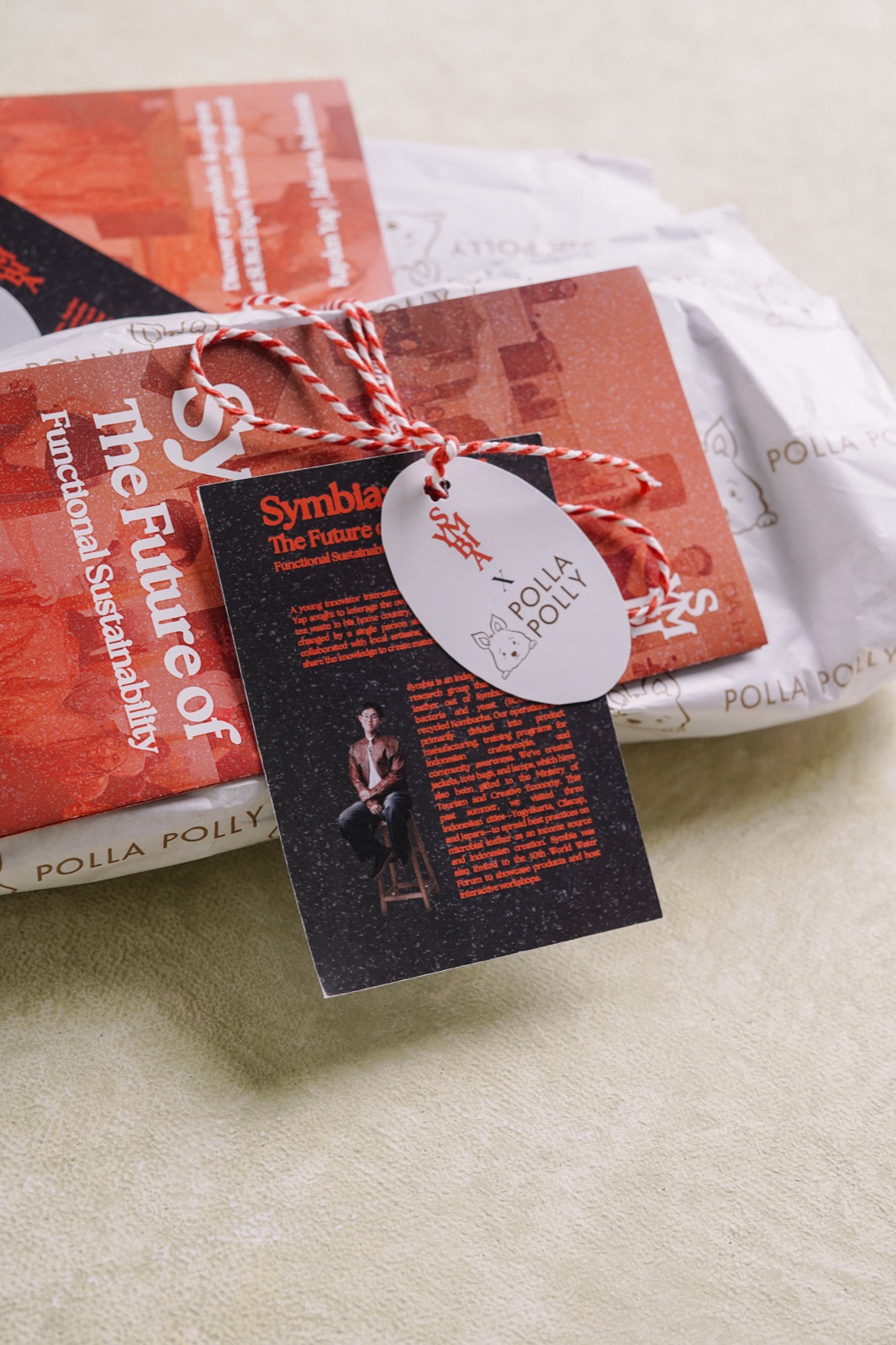
The material is shown at Stanford's SURGE Expo, and the shoe brand Polla Polly releases sandals made with it. It is the first time someone else's product carries Symbia inside it, which is a different kind of proof from making things yourself.
August 2025
Jakarta
The Need for Creativity in Sustainability Efforts
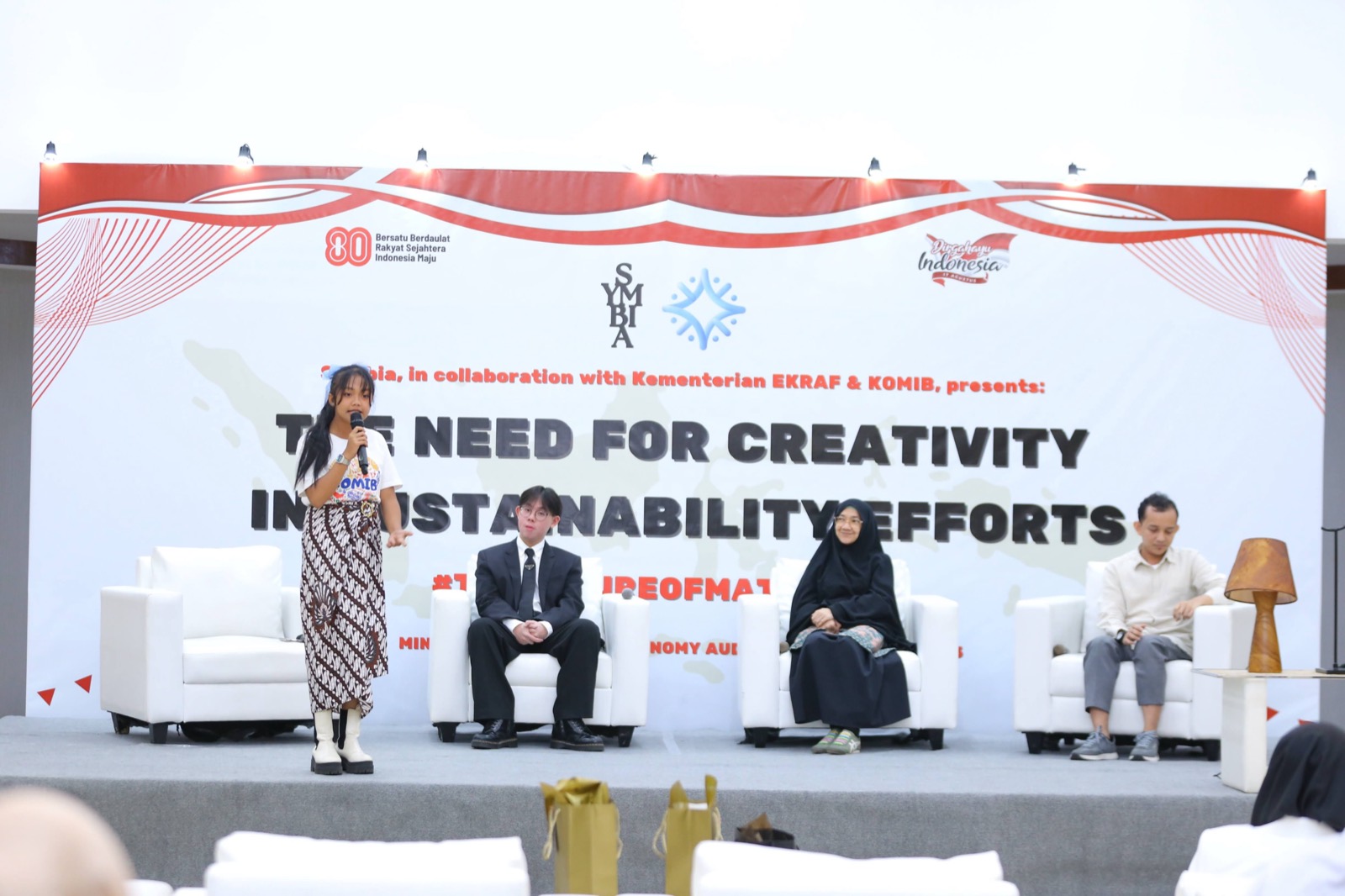
A seminar run with Indonesia's Ministry of Creative Economy and KOMIB, in front of a hall of students. Three national outlets covered it, all of them linked further down this page.
What it becomes
Jackets, bags, lamps, and everything since
The goal is a single loop that connects waste recovery, new material development and product creation: from a brewery's discarded kombucha to a finished object in someone's hands.
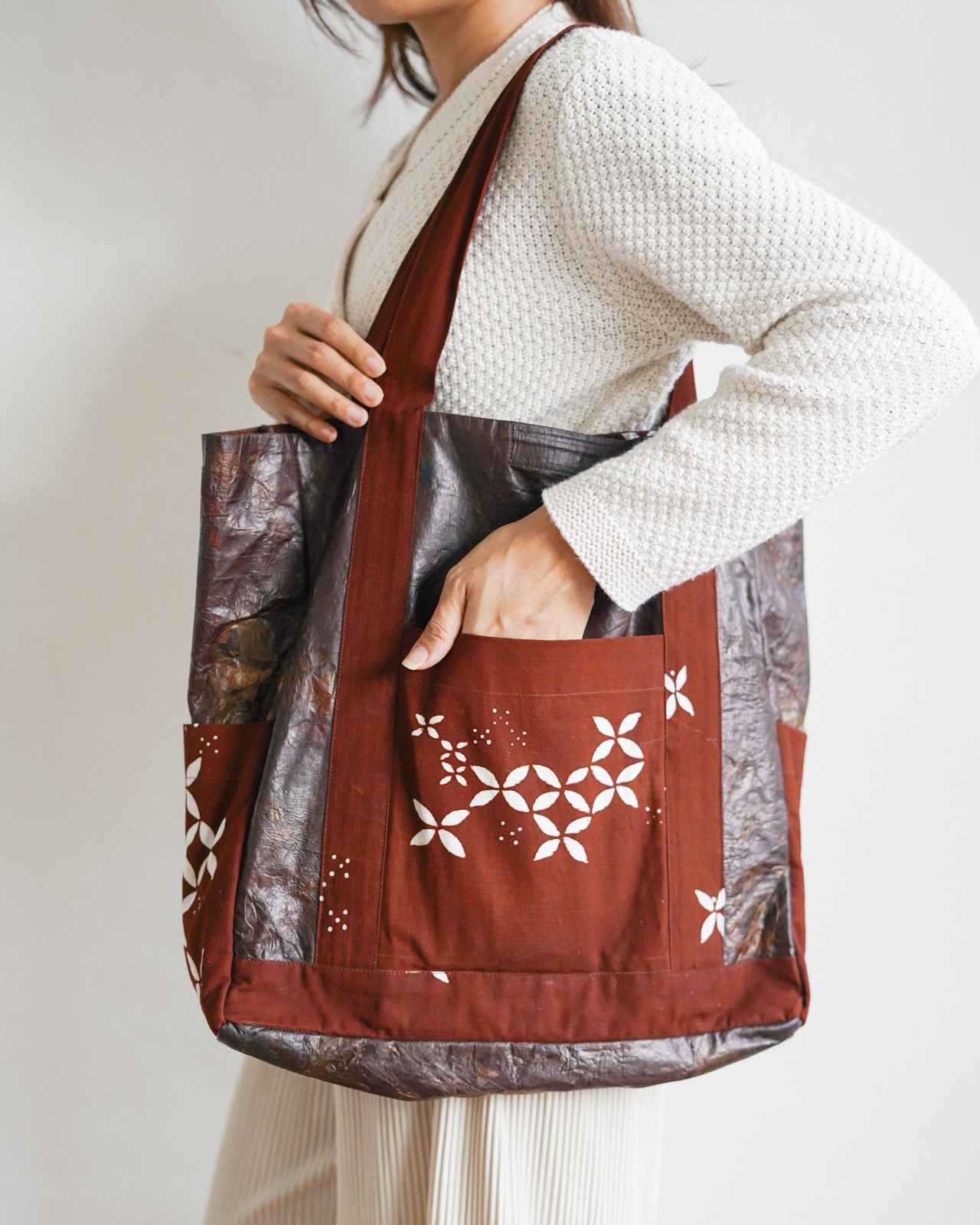
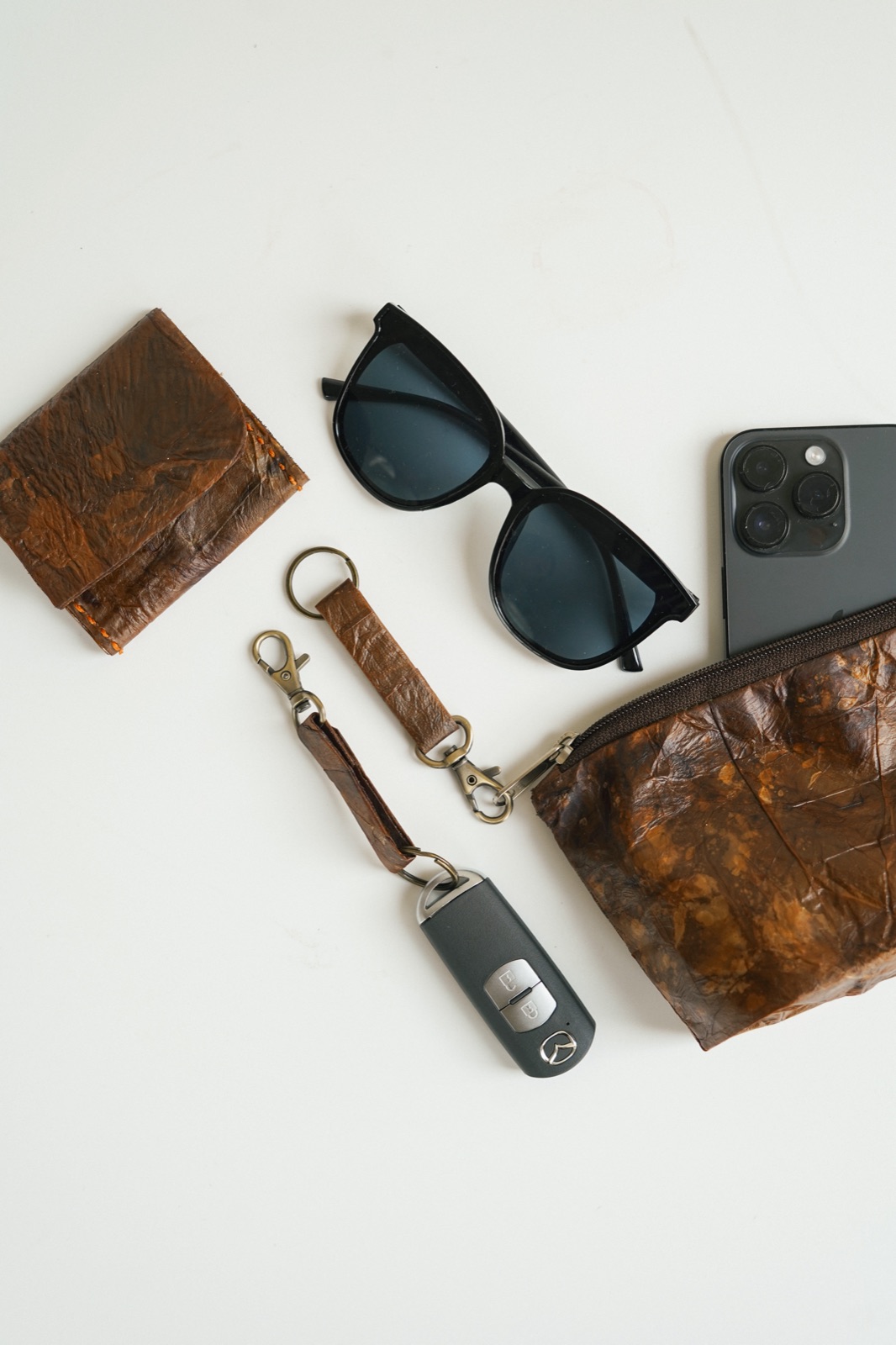
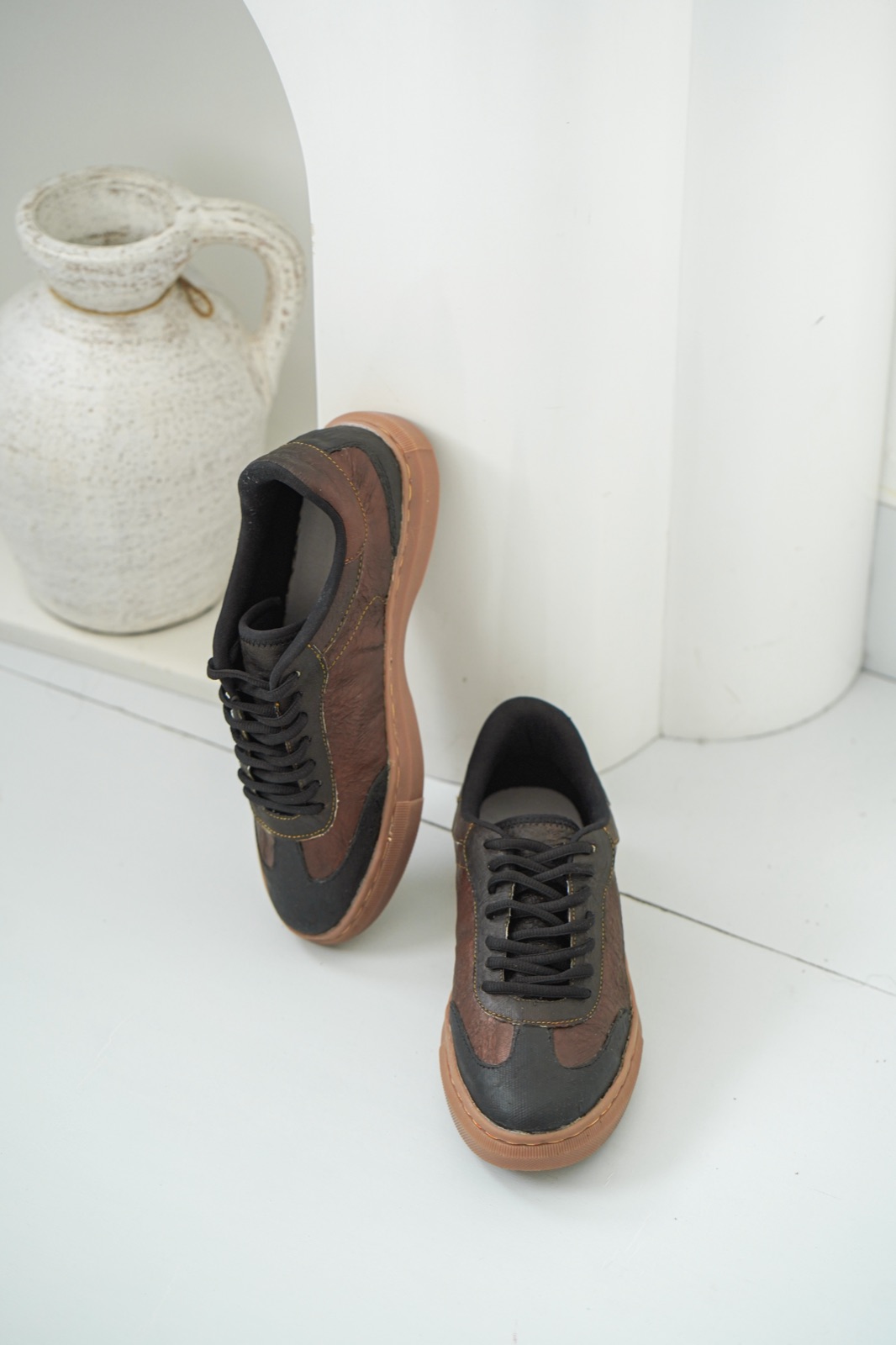
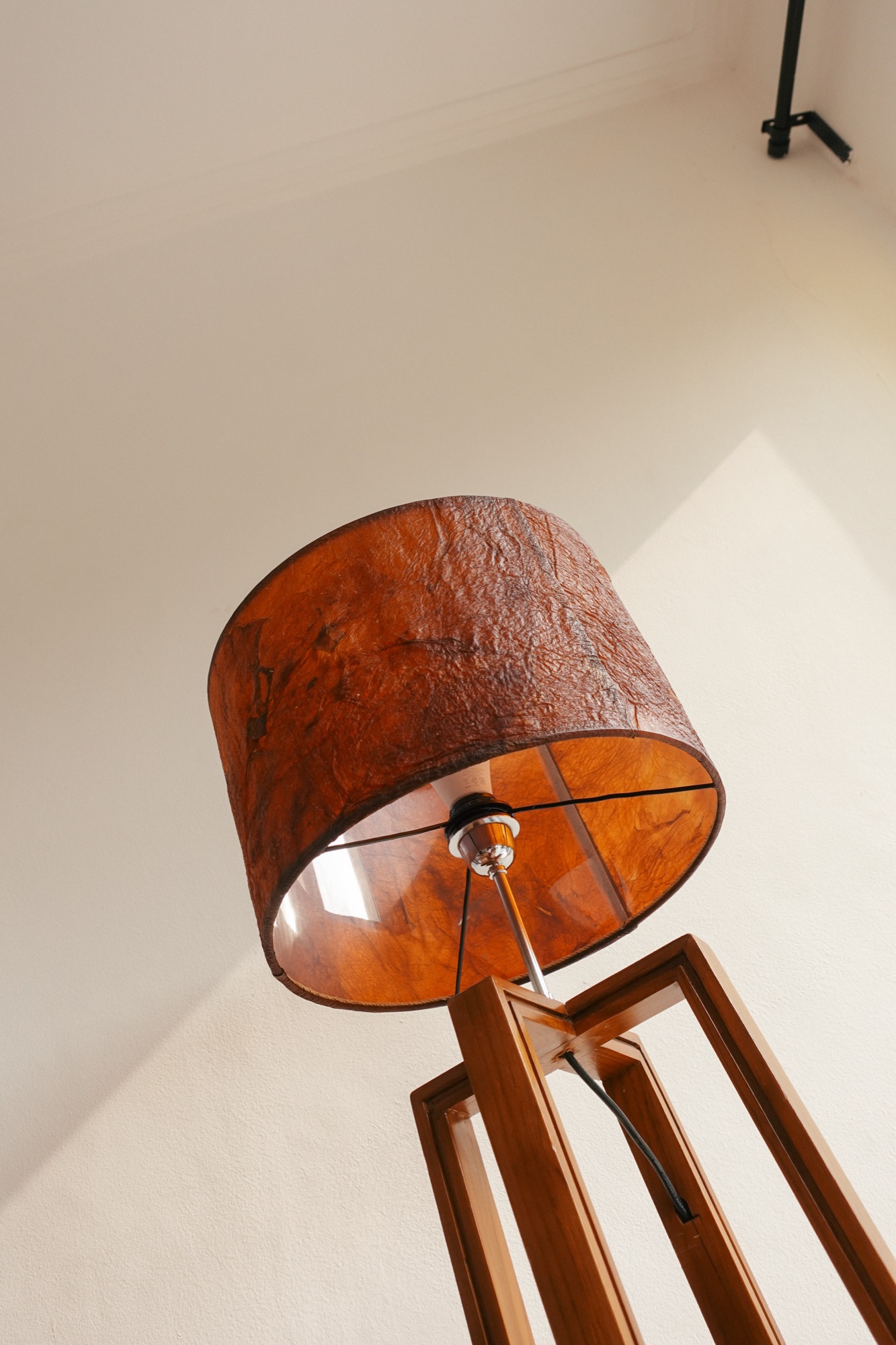
More of the archive is on the gallery page.
On television
The whole thing, explained in a workshop
DAAI TV followed the process from brewed tea to a finished jacket. It is the clearest account of the method that exists, and it is not ours.
Written about
Other people's account of it
- DAAI TVKombucha Tea Turned Into Kombucha Leather Jackets
- Media Indonesia, IKONFrom Kombucha Waste to Leather Jackets and Bags
- Indonesia ExpatThe Future of Functional Sustainability: JIS Student Brews Change with Kombucha-Based Bioleather
- LinkUMKMSCOBY Kombucha Leather Innovation by Ignacio Rayden Yap: From Idea to Reality
- Guild AsiaYoung Inventor Transforms Kombucha Tea Waste into Eco-Friendly Synthetic Leather
- BeritakotaSymbia and the Ministry of Creative Economy Hold a Youth Empowerment Program
- Terminal NewsSymbia and the Ministry of Creative Economy Encourage Youth Creativity for Sustainability
- HumanioraSymbia and the Ministry of Creative Economy Encourage Youth Creativity in Sustainability Efforts
- Stanford SURGE Expo 2024Symbia exhibits at Stanford
- Polla PollySandals made with SCOBY and kombucha, in collaboration with Symbia
- Jakarta Intercultural SchoolA rising ecopreneur in the JIS community
The training programmes and the environmental side of the work are set out on the impact page.